
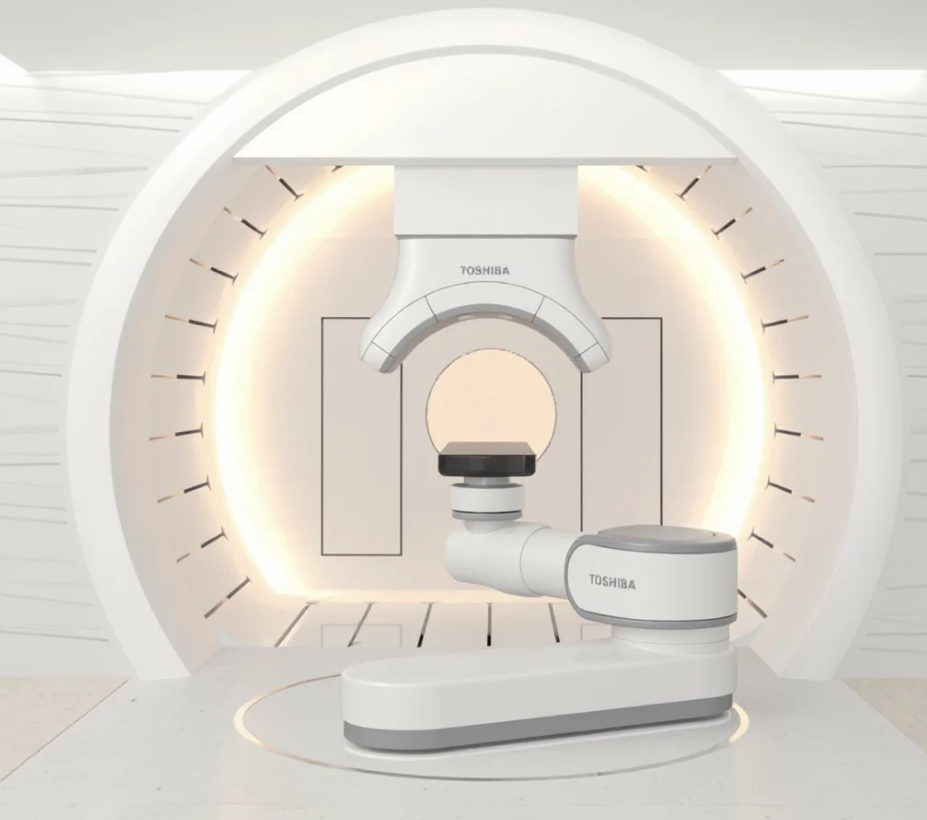
Treatment Overview & Clinical Details
Heavy Ion Therapy is an advanced form of particle radiotherapy that uses high-energy charged particles to deliver radiation to tumors.
The most widely studied and clinically used form of heavy ion therapy is carbon-ion radiotherapy (CIRT), which uses accelerated carbon ions to target cancer cells with a highly focused radiation dose.
Compared with conventional photon-based radiotherapy, heavy ion therapy combines the physical advantages of particle beams with the distinctive biological effects associated with high-linear-energy-transfer (high-LET) radiation.
It may be considered for selected patients with certain localized solid tumors, particularly when precise dose delivery is important or when the tumor has specific biological characteristics.
What Is Heavy Ion Therapy?
Heavy ion therapy uses an accelerator to increase the energy of charged heavy particles and direct them toward a tumor.
The most clinically established heavy ion used in cancer treatment is:
Carbon Ion
For this reason, the terms Heavy Ion Therapy and Carbon-Ion Radiotherapy (CIRT) are often used when discussing this treatment approach.
Unlike surgery, heavy ion therapy does not physically remove a tumor. Instead, it uses high-energy particle radiation to damage the DNA of cancer cells and inhibit their ability to survive and reproduce.
How Does Heavy Ion Therapy Work?
One of the key characteristics of particle therapy is its distinctive pattern of energy deposition.
Conventional X-rays deposit radiation energy along their path through the body, including both before and beyond the tumor.
Particle beams such as protons and carbon ions behave differently.
By adjusting the energy of the particle beam, clinicians can position a substantial portion of the radiation dose at a specific depth within the body. This phenomenon is known as the:
Bragg Peak
Treatment planning can use this physical property to concentrate radiation within the target region while reducing the dose delivered to some surrounding healthy tissues.
Why Is Heavy Ion Therapy of Interest?
Carbon ions have a relatively high linear energy transfer (LET) compared with conventional photon radiation and protons.
Higher LET radiation produces denser patterns of ionization and can cause complex DNA damage within exposed cells.
This distinctive biological effect is one of the reasons carbon-ion therapy has attracted considerable interest in radiation oncology research.
Certain tumors may have biological characteristics that make them relatively resistant to conventional radiation therapy, and carbon-ion therapy is being investigated and used in selected clinical settings for these cancers.
However, heavy ion therapy should not be described as universally superior or as a treatment that can overcome radiation resistance in every tumor. Its potential benefits depend on tumor type, location, stage, treatment dose, and other clinical factors.
Which Cancers Can Be Treated With Heavy Ion Therapy?
Heavy ion therapy is primarily considered for selected solid tumors.
Clinical applications and research areas include:
Head and Neck Tumors
Carbon-ion therapy may be considered for selected head and neck tumors, particularly tumors located near critical anatomical structures.
Sarcomas
Certain soft-tissue sarcomas and bone tumors are important areas of clinical research and application for carbon-ion therapy.
Prostate Cancer
Selected patients with localized prostate cancer may be considered for particle therapy, including proton or carbon-ion therapy.
Lung Cancer
Particle therapy may be considered for selected patients with early-stage or localized lung cancer, depending on the clinical situation.
Liver Cancer
Selected patients with localized liver tumors may be candidates for particle radiotherapy.
Pancreatic Cancer
Because the pancreas is located close to organs such as the stomach and duodenum, minimizing radiation exposure to surrounding tissues is an important consideration. Carbon-ion therapy is being studied and used in selected clinical settings.
Tumors Near the Spine or Other Critical Structures
For tumors located close to the spinal cord or other sensitive structures, highly precise particle therapy may provide a potential treatment option in selected cases.
However, a cancer diagnosis alone does not determine whether heavy ion therapy is appropriate. Tumor size, location, stage, relationship to surrounding organs, previous treatments, and the patient’s overall condition must all be considered.
What Are the Potential Advantages?
Precise Dose Distribution
Carbon-ion beams can exploit the Bragg peak to concentrate radiation dose within the target region.
High-LET Biological Effect
Carbon ions have a relatively high LET, which can produce dense ionization and complex DNA damage.
Potential Role in Selected Radioresistant Tumors
Certain tumors that are relatively resistant to conventional radiation are an important area of carbon-ion research and clinical application.
Potential Reduction in Radiation Exposure to Healthy Tissue
The physical characteristics of particle beams may allow clinicians to reduce radiation exposure to some surrounding normal tissues compared with conventional photon therapy.
However, a favorable dose distribution does not automatically translate into better clinical outcomes for every patient.
Treatment effectiveness depends on tumor biology, dose, treatment planning, technology, and the expertise of the medical team.
Heavy Ion Therapy vs. Proton Therapy
Both proton therapy and heavy ion therapy are forms of particle therapy and share certain physical characteristics.
However, they are not identical.
| Feature | Proton Therapy | Heavy Ion Therapy |
| Primary particle | Proton | Carbon ion |
| Bragg Peak | Yes | Yes |
| LET | Relatively low | Relatively high for carbon ions |
| Biological effect | Primarily related to physical dose distribution | Physical dose distribution plus high-LET biological effects |
| Clinical application | Broad | More focused on selected tumor types and clinical situations |
| Accelerator requirements | Complex | Generally more complex |
| Treatment cost | Generally high | Generally higher |
| Clinical role | Established across many indications | Particularly relevant to selected tumors |
Therefore, heavy ion therapy should not simply be considered “better than proton therapy.”
The appropriate treatment depends on the patient’s individual disease characteristics and the available clinical evidence.
Heavy Ion Therapy vs. Conventional Radiation Therapy
Conventional radiation therapy primarily uses photons such as X-rays.
Heavy ion therapy uses high-energy charged particles, most commonly carbon ions.
One of the major differences lies in their patterns of energy deposition and biological effects.
X-rays deposit radiation dose along their path through the body.
Heavy ions can produce a more concentrated dose distribution around the target through the Bragg peak, while carbon ions also have a higher LET and distinctive biological effects.
For selected tumors, these properties may provide potential advantages.
Does Heavy Ion Therapy Require Surgery?
Usually, no.
Heavy ion therapy is a form of radiation treatment and does not require conventional surgical removal of the tumor.
During treatment, the patient is positioned carefully while the treatment system delivers the particle beam to the target according to the treatment plan.
The number of treatment sessions varies according to the tumor type, treatment objective, dose, and individual clinical circumstances.
Are There Side Effects?
Yes.
Although precise treatment planning can help reduce radiation exposure to some normal tissues, heavy ion therapy is still a high-dose radiation treatment and can cause side effects.
Depending on the treatment site and dose, potential effects may include:
- Fatigue
- Skin reactions
- Local inflammation
- Mucosal irritation
- Local pain or discomfort
- Injury to surrounding tissues
- Delayed radiation-related effects
The risk and severity of side effects depend largely on the tumor location, treatment dose, surrounding anatomy, and individual patient factors.
Therefore, heavy ion therapy should not be described as a treatment without side effects.
Who May Be a Candidate for Heavy Ion Therapy?
Heavy ion therapy generally requires careful patient selection.
The medical team may consider:
- Whether the tumor is localized
- Presence or absence of distant metastases
- Tumor size
- Tumor location
- Proximity to critical organs
- Tumor radiosensitivity
- Previous radiation therapy
- Overall health
- Availability of other established treatment options
For selected patients with localized solid tumors, heavy ion therapy may provide an important local treatment option.
For patients with widespread metastatic disease, local heavy ion therapy alone generally cannot address cancer throughout the body. Systemic treatments such as chemotherapy, targeted therapy, immunotherapy, or other approaches may therefore be necessary.
Is Heavy Ion Therapy a “More Advanced” Cancer Treatment?
Heavy ion therapy is an advanced radiation technology, but more advanced technology does not automatically mean better treatment for every patient.
The most important question is not:
“Which hospital has the most advanced technology?”
but rather:
“Which treatment is most appropriate for this particular patient?”
For some patients, surgery may provide the best local treatment.
For others, proton therapy may be appropriate.
For selected tumors, carbon-ion therapy may offer potential advantages.
For patients with advanced metastatic cancer, systemic treatment may be more important.
Treatment decisions should therefore be based on the patient’s disease characteristics and the available clinical evidence.
Heavy Ion Therapy as Part of Multidisciplinary Cancer Care
Modern cancer treatment increasingly relies on multidisciplinary care.
Depending on the patient’s condition, the treatment team may include:
Surgical Oncologists + Radiation Oncologists + Medical Oncologists + Radiologists + Pathologists + Nuclear Medicine Specialists + Other Relevant Specialists
A treatment plan may include:
Neoadjuvant therapy → Heavy Ion Therapy → Surgery → Adjuvant Treatment
or:
Heavy Ion Therapy → Imaging Assessment → Systemic Therapy
For selected patients with advanced disease, local heavy ion therapy may also be considered alongside systemic treatments such as targeted therapy, immunotherapy, or chemotherapy.
The optimal treatment sequence should be individualized according to the patient’s diagnosis and overall treatment goals.
Conclusion
Heavy Ion Therapy, particularly Carbon-Ion Radiotherapy (CIRT), is an important technology in modern particle radiation therapy.
It combines the distinctive physical dose distribution of particle beams with the biological characteristics of high-LET carbon ions, providing a potential local treatment option for selected patients with certain solid tumors.
However, heavy ion therapy is not suitable for every cancer patient and should not be considered universally superior to other treatment modalities.
Accurate diagnosis, precise staging, detailed imaging, tumor biology, previous treatment history, and multidisciplinary treatment planning are essential when considering this approach.
For patients considering heavy ion therapy, a comprehensive evaluation by an experienced particle therapy team can help determine whether carbon-ion treatment is an appropriate option within an individualized cancer treatment plan.